
 Available in US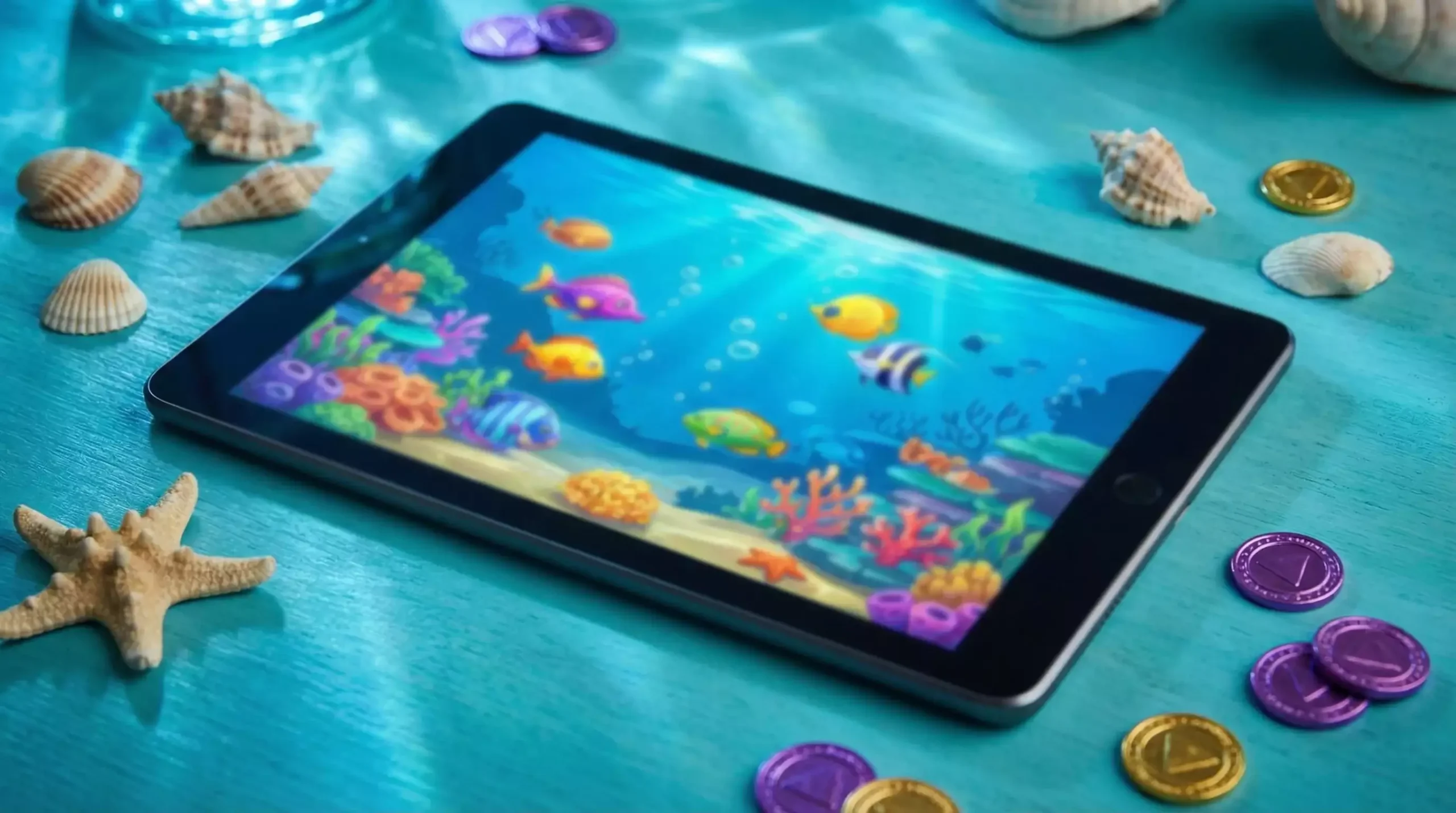
Fish games occupy a unique niche in the sweepstakes casino world. Unlike slots, which require nothing but clicking spin, fish games demand active participation—targeting, shooting, and making real-time decisions that feel like they influence outcomes. This arcade-style gameplay attracts players who find traditional casino games too passive and want something that engages their attention more actively.
The sweepstakes market expanded significantly in recent years, with approximately 25 new casinos launching in 2025 alone according to iGaming Business tracking. Many of these newer platforms feature fish games prominently, recognizing that the category serves players underserved by slot-focused competitors. The growth reflects genuine demand for gameplay variety beyond spinning reels.
Fish table games originated in Asian gaming markets and spread to American arcades and gaming centers before finding their way online. The transition to sweepstakes casinos preserved the core mechanics while adapting to the dual-currency model. Players use Sweeps Coins to purchase ammunition, shoot at fish crossing the screen, and earn prizes based on the fish they catch. The experience differs dramatically from anything else in the typical sweepstakes casino library.
Fish Games Sweepstakes 2026 — More on this topic at list of sweepstakes casinos.
How Fish Games Work at Sweepstakes Casinos
Fish games present an underwater scene populated with various sea creatures swimming across the screen. Players control a cannon that fires projectiles at the fish. Each shot costs Sweeps Coins, and successfully hitting fish awards prizes based on the creature type. Larger, rarer fish offer bigger payouts but require more shots or more powerful ammunition to defeat.
The skill element in fish games is real but limited. Players choose which fish to target and when to fire, decisions that affect outcomes more directly than pressing a slot spin button. However, the underlying mathematics still involve randomness—the same fish may take one shot or twenty depending on probability calculations invisible to the player. Skilled targeting improves efficiency without guaranteeing success.
Multipliers and special weapons add complexity to fish game strategy. Most games offer multiple cannon power levels, with higher-powered shots costing more but dealing greater damage. Special weapons that appear periodically can clear large groups of fish or guarantee captures. Knowing when to upgrade weapons and when to conserve ammunition separates experienced fish game players from newcomers.
Boss fish and bonus rounds provide the largest win potential. These special events appear periodically and offer multiplied prizes for successful defeats. Boss battles typically require sustained fire and significant ammunition investment, creating risk-reward decisions that standard fish hunting does not present. The most memorable fish game sessions usually involve successfully defeating high-value bosses.
Multiplayer elements exist in some fish game variants. Players may share screens with others, competing for the same fish or collaborating against bosses. This social dimension appeals to players who find solo slots isolating, though not all sweepstakes platforms support multiplayer fish game modes.
The visual and audio experience in fish games tends toward vibrant colors, dynamic animations, and satisfying sound effects. The aesthetic deliberately evokes arcade gaming, creating an atmosphere distinct from the casino floor imagery that slots typically employ. Players who enjoy sensory stimulation often gravitate toward fish games for their immersive qualities.
Evaluating Platforms for Fish Games
Fish game availability varies dramatically across sweepstakes platforms. Some casinos feature extensive fish game libraries with multiple titles and variants. Others offer token fish game presence or none at all. Players specifically seeking fish games should verify availability before committing to a platform.
Top-tier fish game platforms stand out with multiple titles and consistent updates. These platforms recognize fish games as a valuable differentiator and invest accordingly. Game performance runs smoothly even during intense action sequences, and selections include both classic fish table variants and newer interpretations of the format.
Some platforms offer fish games alongside extensive slot libraries. The fish game selection may be smaller than dedicated platforms but includes quality titles. Fish game tournaments appear periodically at competitive platforms, creating competitive events that add excitement beyond standard play. AGA research found that 69% of sweepstakes players view these platforms as real-money gambling opportunities, and fish game tournament prizes reflect this serious approach.
Platforms with modern interfaces often extend their design quality to fish game sections, with responsive controls that work well on both desktop and mobile. These platforms may emphasize newer titles over classic variants, appealing to players who want contemporary graphics and mechanics.
Some established platforms offer limited fish game options compared to their slot libraries, historically emphasizing traditional casino games over arcade-style alternatives. Players who prioritize fish games may find these selections disappointing, though overall platform reliability compensates for players who want fish games as occasional diversions rather than primary activities.
Mid-tier platforms feature fish games with varying prominence without leading the category. They provide functional options for players who want occasional fish game sessions, with quality matching standard offerings without matching leaders in selection or tournament support.
Newer sweepstakes casinos often launch with fish games included, recognizing the category’s importance to certain player segments. However, new platform reliability concerns apply equally to fish games as to other offerings. Established platforms with proven fish game support provide safer options than untested newcomers.
Fish Games vs Traditional Slots
The fundamental difference between fish games and slots lies in player agency. Slots require only bet sizing and spin initiation—the outcome is determined instantly by random number generation. Fish games involve continuous decision-making about targets, timing, and resource allocation. Whether this increased agency improves outcomes depends on player skill and the specific game mathematics involved.
Session pacing differs significantly between the categories. Slots can be played rapidly, with spins completing in seconds and hundreds of rounds possible per hour. Fish games unfold more gradually, with each shot requiring aim and timing. Players who prefer extended sessions with lower intensity may find fish games better suited to their preferences.
RTP transparency favors slots. Major slot providers publish return-to-player percentages for all games, allowing informed comparisons. Fish game mathematics are typically less transparent, with few providers publishing equivalent data. Players who prioritize documented odds may feel more comfortable with slots despite the reduced gameplay engagement.
Bankroll consumption patterns vary between categories. Slots offer configurable bet sizes that scale linearly with bankroll. Fish games require ammunition purchases that deplete at rates determined partially by player behavior. Aggressive shooting depletes bankroll faster regardless of results, while patient targeting extends play time. This variability makes fish game budgeting less predictable than slot sessions.
Visual fatigue affects the categories differently. Slots present relatively static screens with periodic animations. Fish games demand constant visual attention to track moving targets and time shots accurately. Extended fish game sessions may cause more eye strain than equivalent slot play, particularly on mobile screens.
Neither category is objectively superior. The right choice depends on individual preferences for engagement level, pacing, transparency, and sensory experience. Many sweepstakes casino players enjoy both categories for different moods and contexts, switching between slots and fish games rather than committing exclusively to either.
Tips for Fish Game Players
Start with lower-powered cannons until you understand a game’s patterns. Higher ammunition costs deplete bankroll quickly when you are still learning fish movement and hit probability. Upgrading to more powerful weapons makes sense once you can target efficiently, not before.
Focus on fish groupings rather than isolated targets. When multiple fish cluster together, a single shot may hit several, improving your ammunition efficiency. Patient waiting for favorable positions often yields better results than constant firing at whatever happens to be on screen.
See also Live Dealer Sweepstakes Casinos 2026.
Track your results across different fish types. Some games weight hit probability by fish species, making certain targets more profitable than their apparent value suggests. If small fish seem to hit consistently while large fish resist damage, adjusting your targeting accordingly improves long-term results.
Boss events require strategic ammunition management. Saving powerful weapons for boss appearances maximizes their value. Depleting your special weapons on regular fish leaves you underpowered when high-value opportunities arise. Think of boss battles as the moments your session builds toward.
Set session limits before playing. The active nature of fish games can create flow states where time passes unnoticed. Unlike slots, where natural pauses occur between spins, fish games allow continuous action that makes bankroll depletion harder to notice. Predetermined stopping points prevent sessions from extending beyond intended limits.
Mobile play affects fish game performance more than slots. Targeting precision matters, and smaller screens reduce accuracy. Players who primarily play on phones may find fish games more challenging than they appear on desktop demonstrations. Testing on your actual device before committing significant play time helps calibrate expectations.
Use free play modes when available to learn game mechanics without risking Sweeps Coins. Not all platforms offer fish game practice modes, but those that do provide valuable learning opportunities. Time spent in practice translates to more efficient real-money play once you transition.